
Stuff In The Bluff Style Guide
Purpose: I created an in-house style manual for my client, Kim Jones Sneed, owner of the advertising, marketing, and promotion company Stuff In The Bluff and the affiliated website. Because Ms. Sneed needed an in-house style guide, we worked together to develop it to help with marketing emails, website content, and Facebook posts.
Audience: Considering who would be using the guide, (the business owner, staff, and interns), I worked to tailor the language and design appropriately.
Significance/Conclusion: Ms. Sneed didn’t want the guide to be a complicated set of rules that are hard to follow. The goal was to be clear, concise, and helpful, and the guide accomplished that.

Falsehood Flies and Truth Comes Limping After It:
The Impact of Fake News on Journalism, Journalists, and the Public
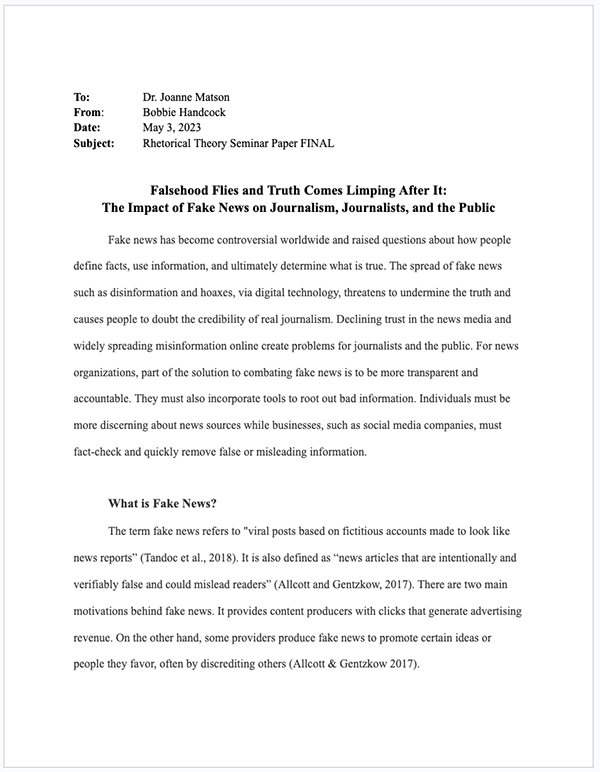
Purpose: This paper examines fake news, its origins and evolution, plus its impact on the public, journalists, and journalism. Pathos is a key rhetorical component of fake news because it can be used to appeal to people’s emotions. Specific examples in this paper illustrate how the spread of fake news threatens to undermine the truth and causes people to doubt the credibility of real journalism.
Audience: Dr. Joanne Matson, professor at the University of Arkansas at Little Rock
Significance/Conclusion: My detailed research explains how news organizations, social media companies, and individuals can combat false or misleading information.
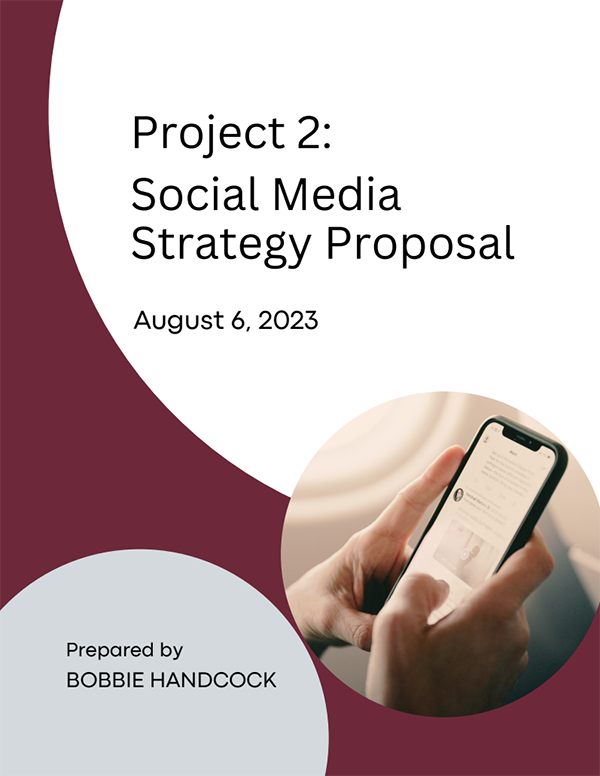
Social Media Strategic Analysis & Strategy Proposal
Purpose: I created a social media strategic analysis and a social media strategy proposal for the University of Arkansas at Little Rock Graduate School. Over two weeks, I reviewed the social media posts of two universities, examining brand personality, audiences, types of posts, and engagement.
Audience: UA Little Rock Graduate School Administration
Significance/Conclusion: I used my research to create an effective strategy proposal for the UA Little Rock Graduate School.

Plain Language
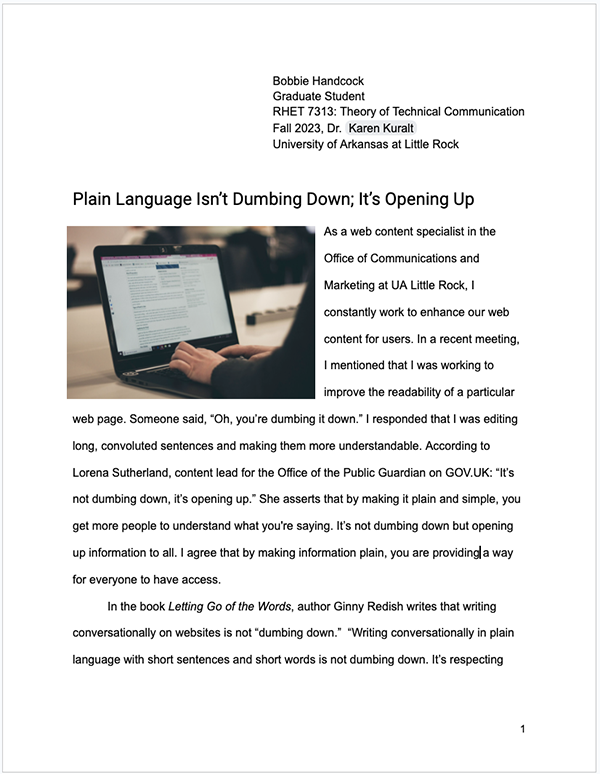
Purpose: I wrote a paper entitled Plain Language Isn’t Dumbing Down; It’s Opening Up. For me, plain language puts users’ needs first by using effective content, design, and style. An incident at work where someone mentioned that I was “dumbing down” web page content, got me thinking about plain language and its role in technical writing. I also wondered about some of the misconceptions people may have about it so I explored that aspect.
Audience: The audience is anyone interested in learning about plain language. This paper is written in a blog-style format using techniques I learned in Document Design and Advanced Editing.
Significance/Conclusion: This paper defines plain language, explores its history, includes real-world examples, and illustrates why it makes a difference for readers.
 bhandcock.com